The short answer
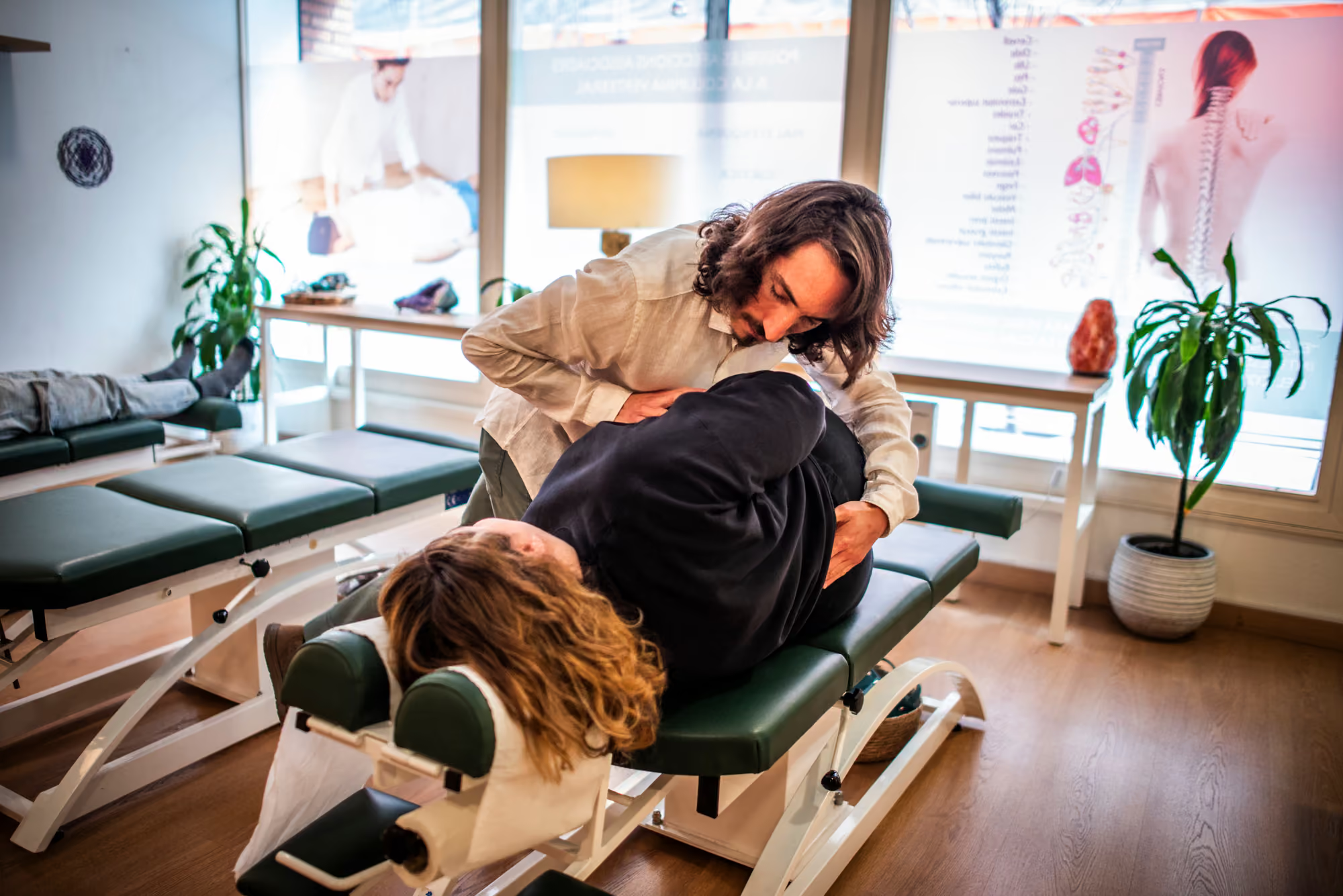
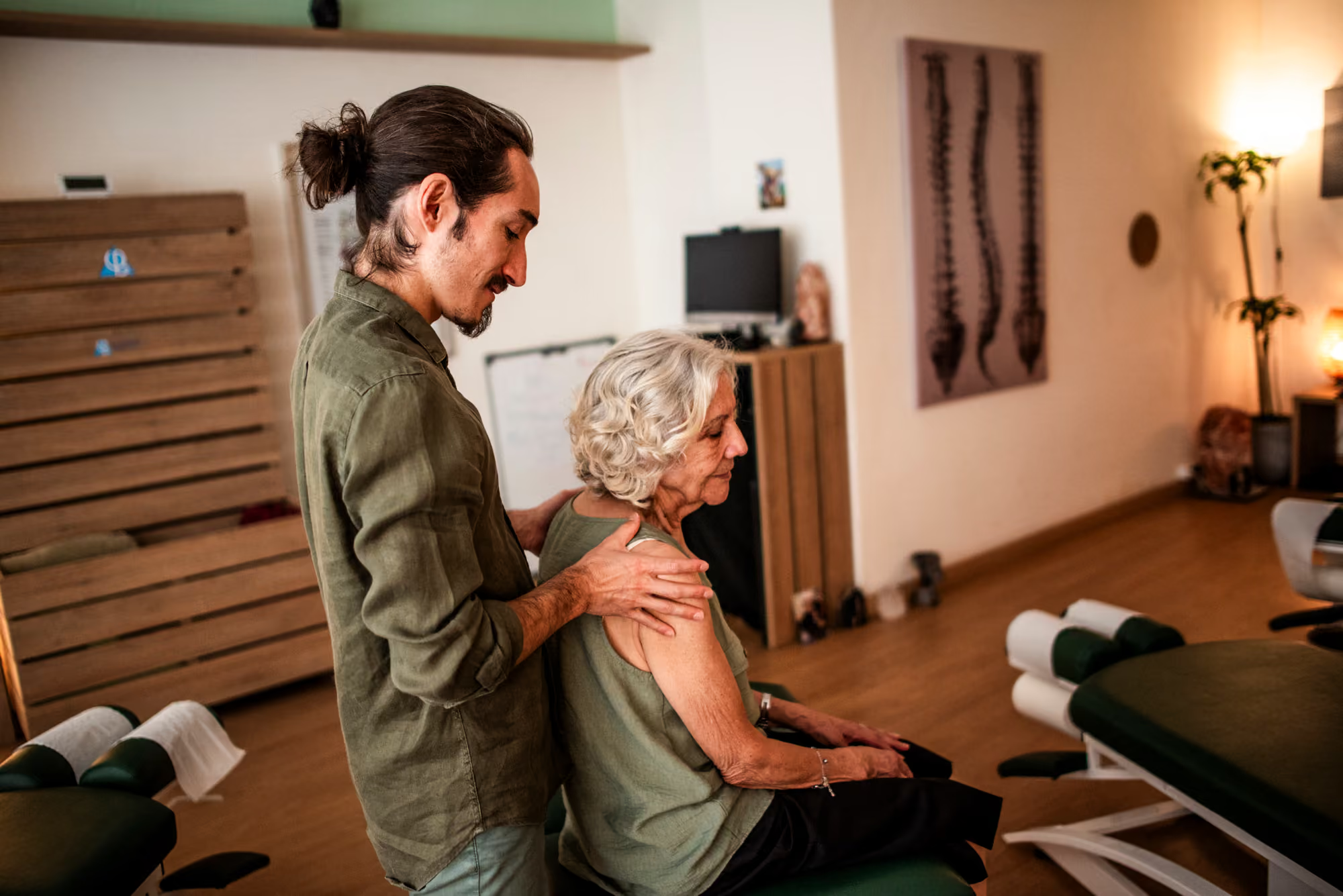
Chiropractic is about how the spine moves. I check, segment by segment, where the movement gets stuck; we talk about when the discomfort appears and, if it makes sense, I adjust by hand, always telling you first what I'm going to do. And I also ask how you really are.
Why I look at the whole spine, not just where it hurts.
The spine holds the body up and its segments work as a team: when one loses movement, the rest makes up for it. That's why I check the whole spine, not just where it hurts.
An adjustment is a short thrust with the hands, aimed at one specific segment. It isn't a massage or a stretch. Sometimes it makes a sound and sometimes it doesn't, and the sound doesn't measure anything.
My way of working: B.G.I.
B.G.I. stands for Bio-Geometric Integration. Instead of going straight to the spot that hurts, I look at how the rest of the body has organised itself around it.
I trained with Sue Brown: B.G.I. levels I, II and III. Since then I adjust more slowly, with more precise contacts and with time to talk. For me it's a better way of working: with time to look, to ask and to tell you what I see.
The technique organises each session into five planes. They're my way of making sure I don't forget to ask about anything, not a claim about how the body works.
- Physical
- How you move standing, walking, turning and on the table: where the movement gets stuck and what the rest of the body makes up for.
- Biochemical
- How much you sleep, how much water you drink and how you eat. I ask because it changes what I see when I check you.
- Mental
- What you've been told about your back before, what you've already tried and what you hope will happen here.
- Emotional
- Months of pain wear you out, and it shows in how you move. We talk about it; I don't interpret it.
- Energy
- How much get-up-and-go you arrive with: fully charged or dragging yourself in. It's the name the technique gives to that, not to any structure in the body.
If you're curious, ask me at the talk: on Tuesdays at 12:30 and Thursdays at 19:00, free and with no strings attached.
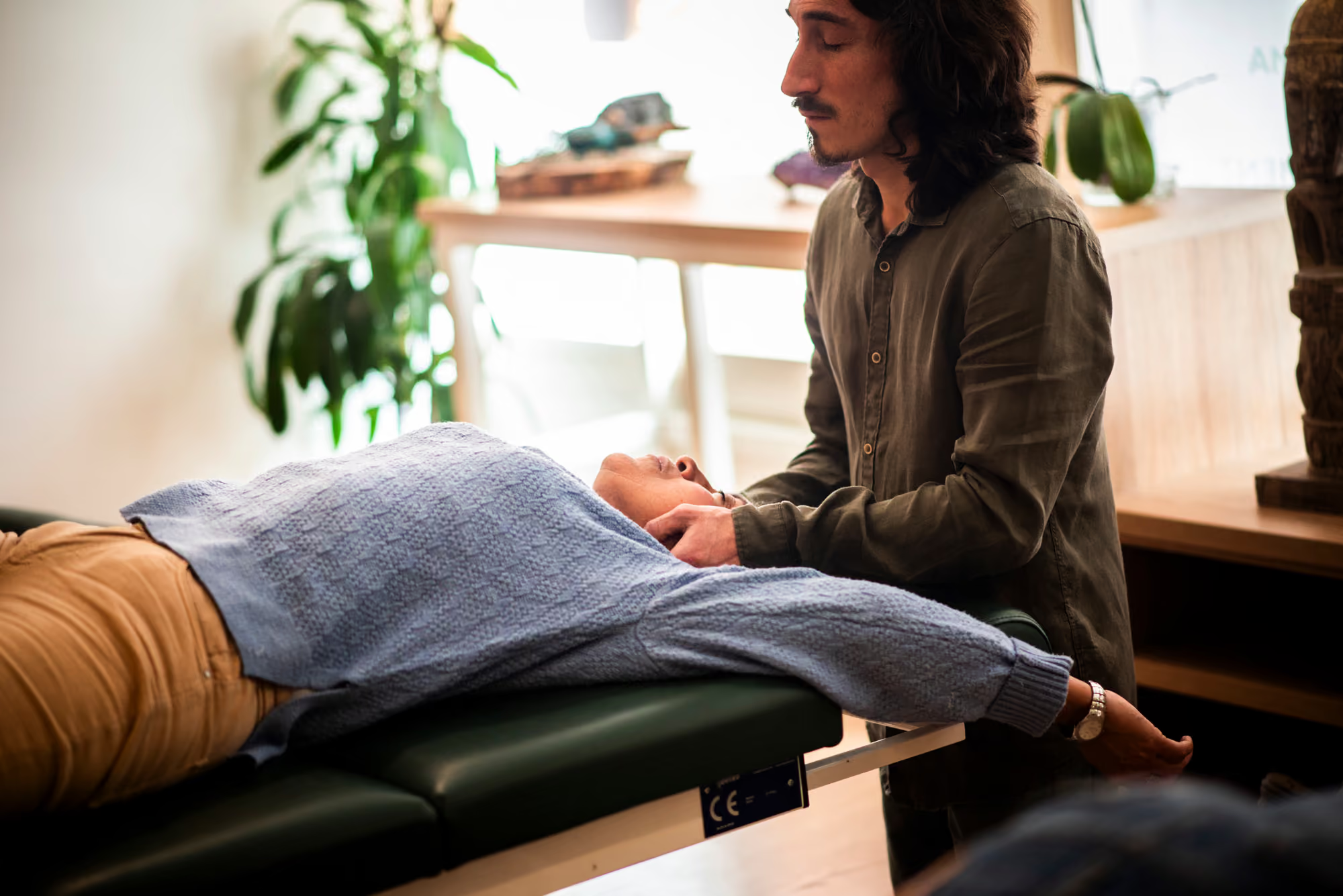
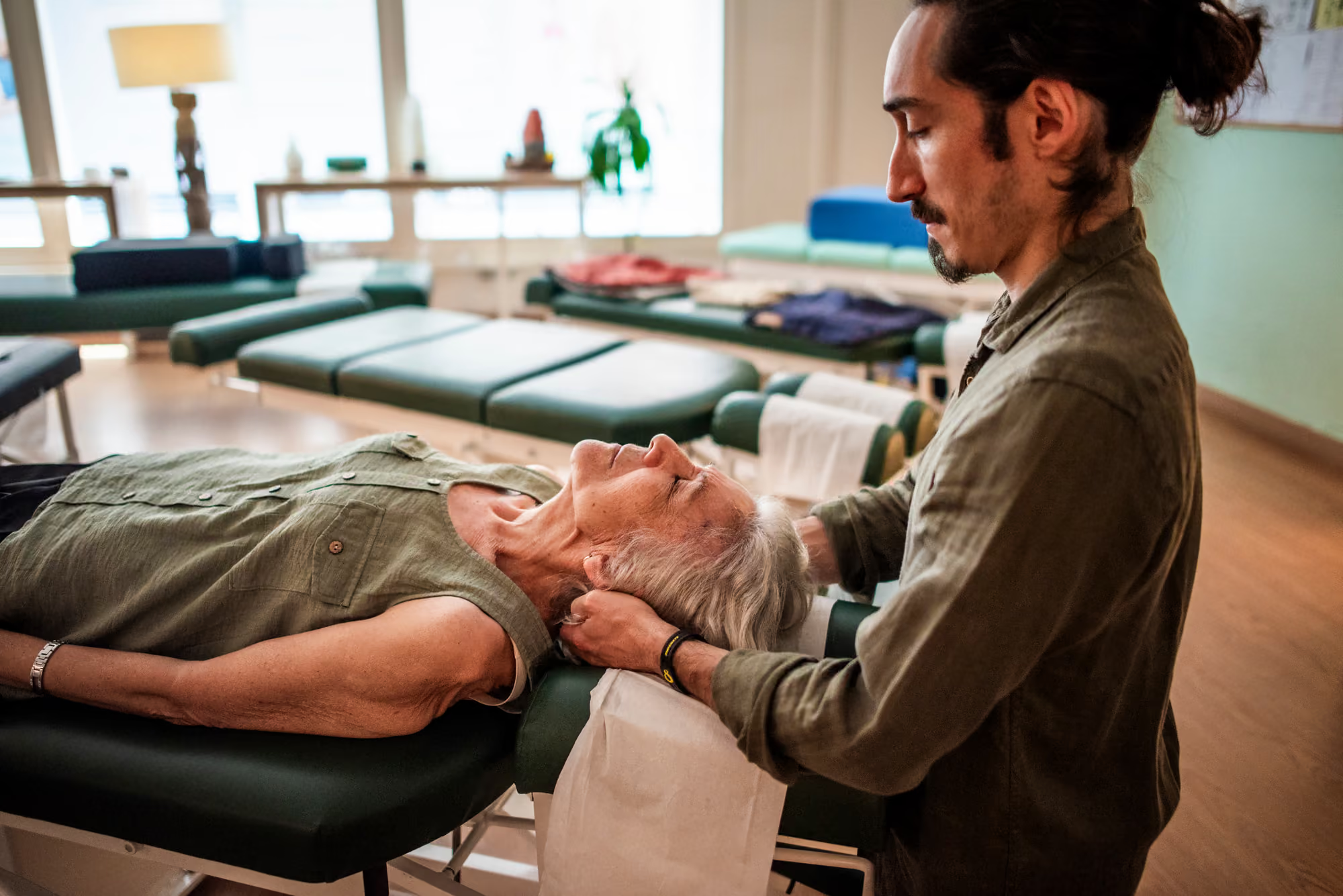
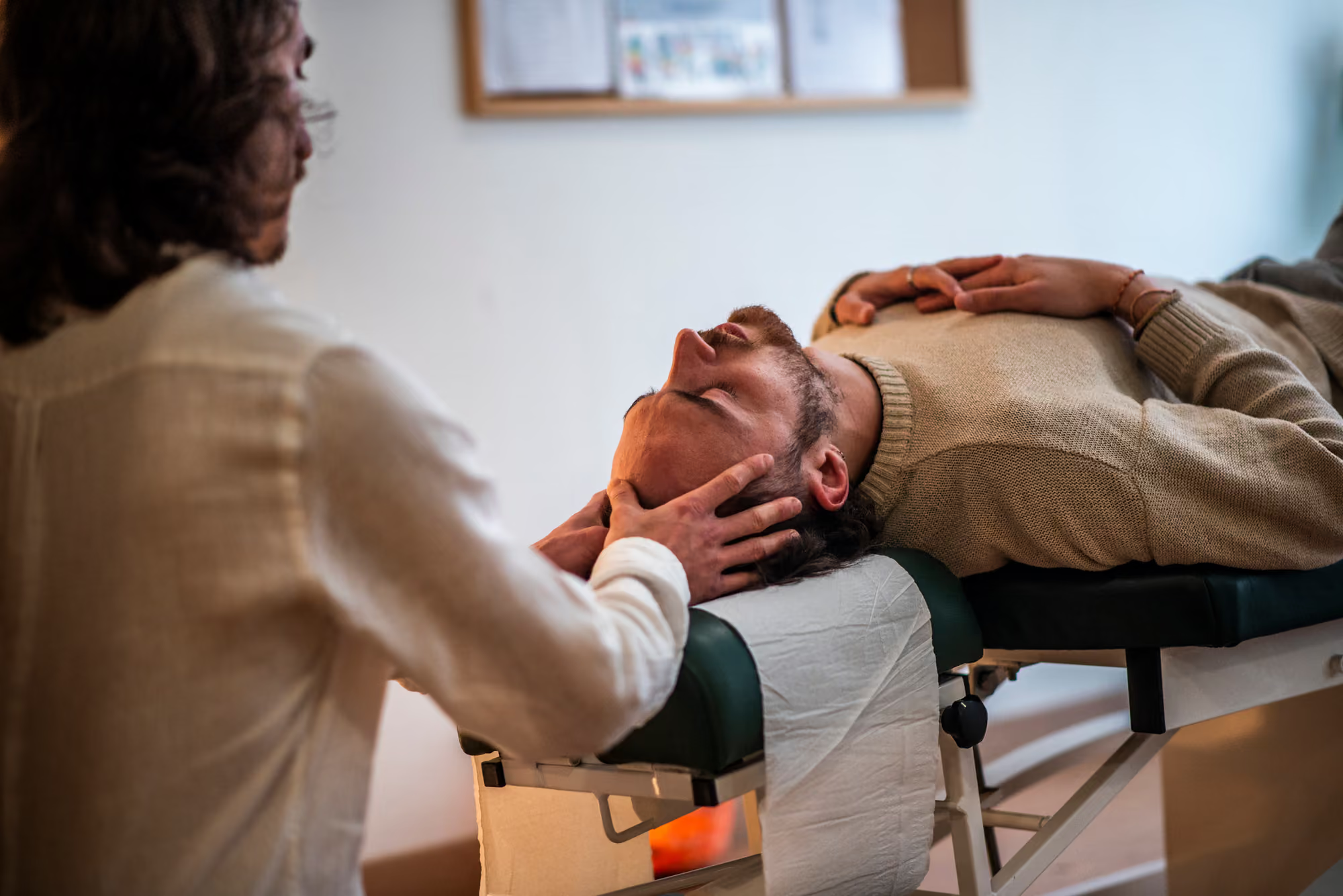
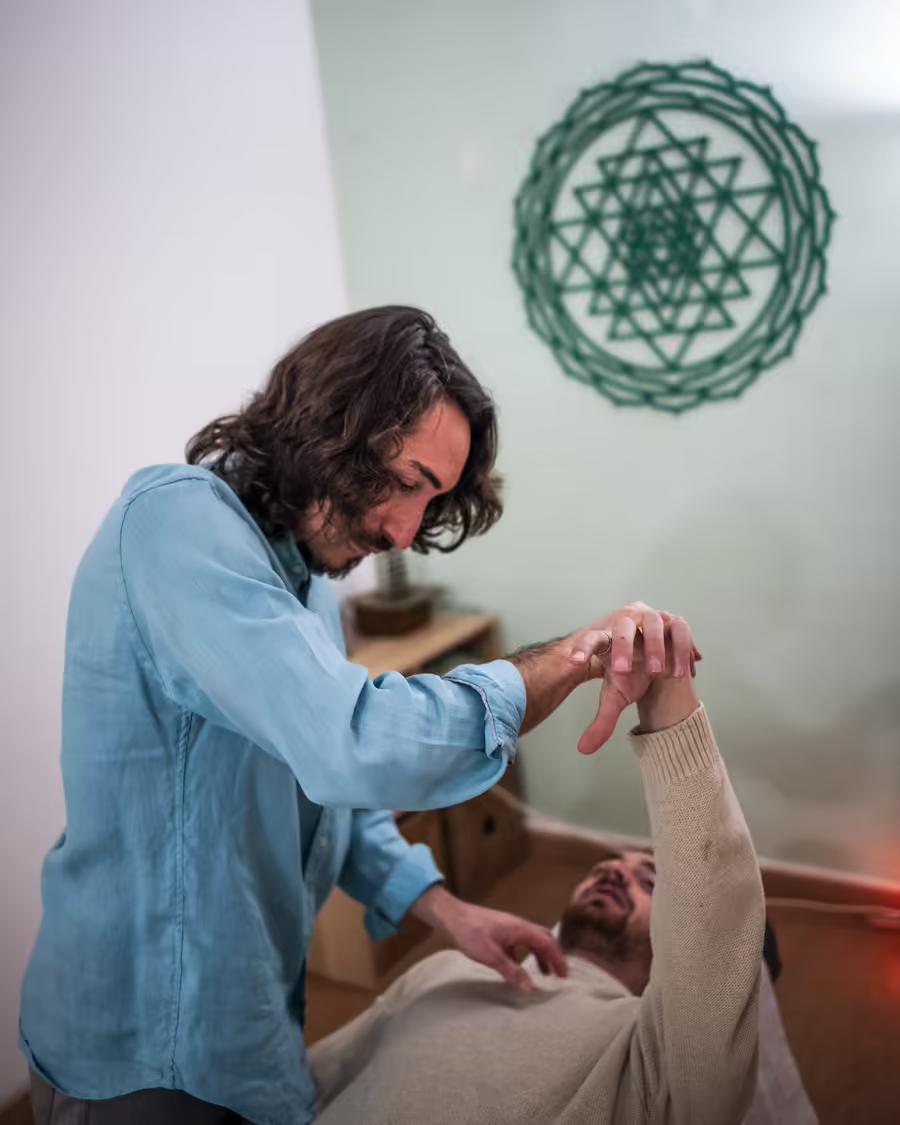
Chiropractic, physiotherapy and osteopathy.
All three work with the hands, and all three are different. None of them replaces the others, and it often makes sense to combine them.
What it focuses on
- Chiropractic
- How each segment of the spine moves, and how the rest of the body organises itself around it.
- Physiotherapy
- Getting muscles and joints working again, often after an injury or an operation.
- Osteopathy
- The body as a set of tissues that influence one another.
How it works
- Chiropractic
- Manual adjustment, usually brief and aimed at one specific segment.
- Physiotherapy
- Set exercises, manual techniques and physical agents.
- Osteopathy
- Manual techniques, generally slower and with a wider range of movement.
Usual training
- Chiropractic
- It varies a lot from place to place. Mine: five years full time at the Barcelona College of Chiropractic, 5,500 h in all.
- Physiotherapy
- A four-year university degree.
- Osteopathy
- Postgraduate training, of a length that varies a lot from school to school.
No promises.
I'm not going to promise you results: I tell you what I look at and what I do, and every body responds in its own way.
I tell you what I do, not what's going to happen: there's no honest way to know that in advance.
Signs that mean seeing your GP
If you notice any of these, see your GP:
- Pain after a hard knock or an accident.
- A fever along with the pain.
- Loss of strength or of feeling.
- Trouble holding in urine or stools.
- Weight loss you can't explain.
- Pain that doesn't ease in any position and wakes you at night.
Nothing I do in the practice is a substitute for your GP. And if what you tell me needs another professional, I'll tell you and point you in the right direction.