Before, if you like
The talk, three days a week.
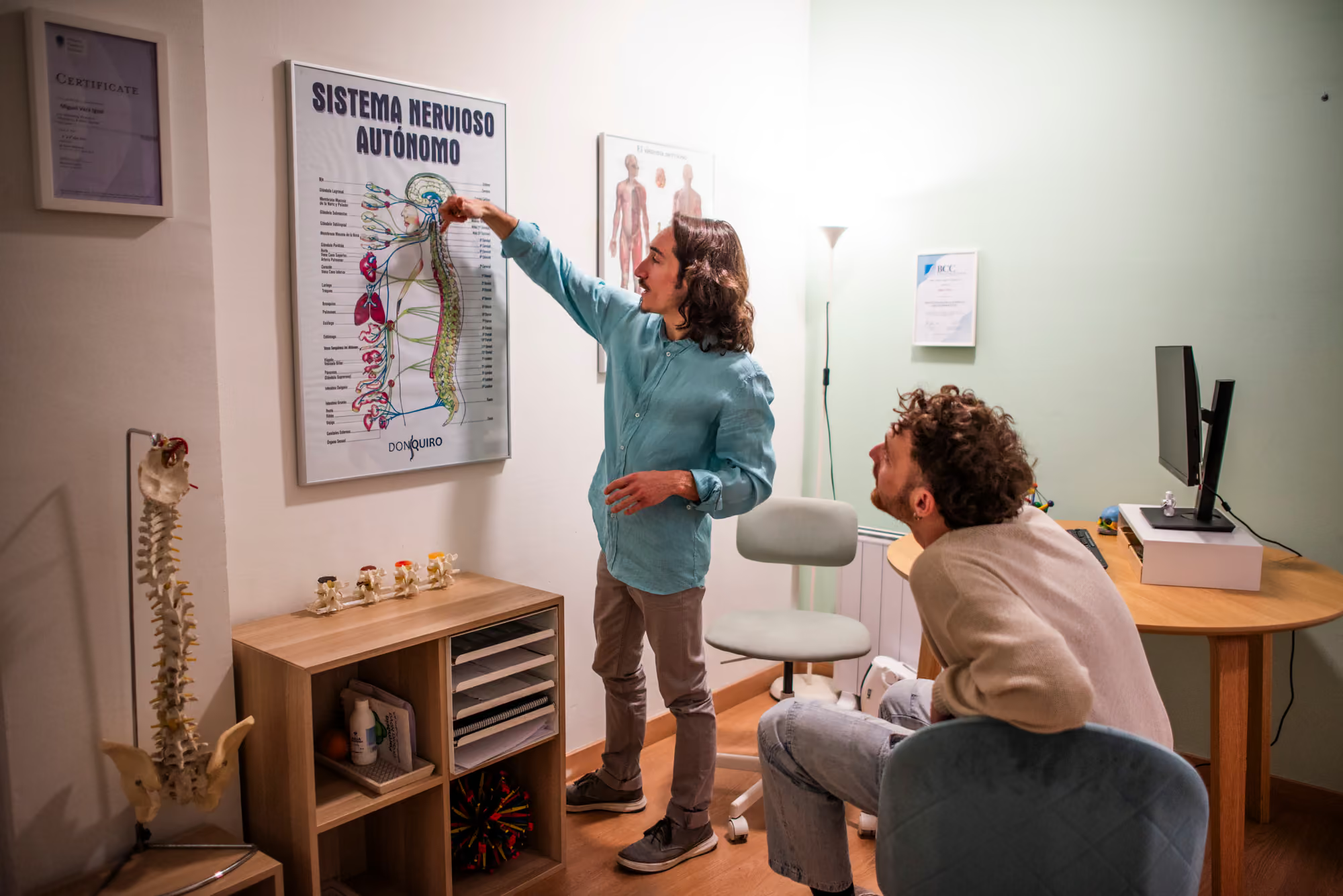
If you'd like to meet me before booking, on Tuesdays at 12:30 and Thursdays at 19:00 I open the practice for an information session. I tell you what chiropractic is and how I work, and you ask me whatever you like.
It's free, there are no strings attached and you don't need to bring anything. All I ask is that you book your place in the calendar.
Come to the free information talk
Questions before you come? Message me on WhatsApp or call me on 717 712 117.
Step one
The first visit.
-
You tell me
You fill in a form and we talk. I look at your history and your lifestyle to understand where what is happening to you comes from.
-
I check
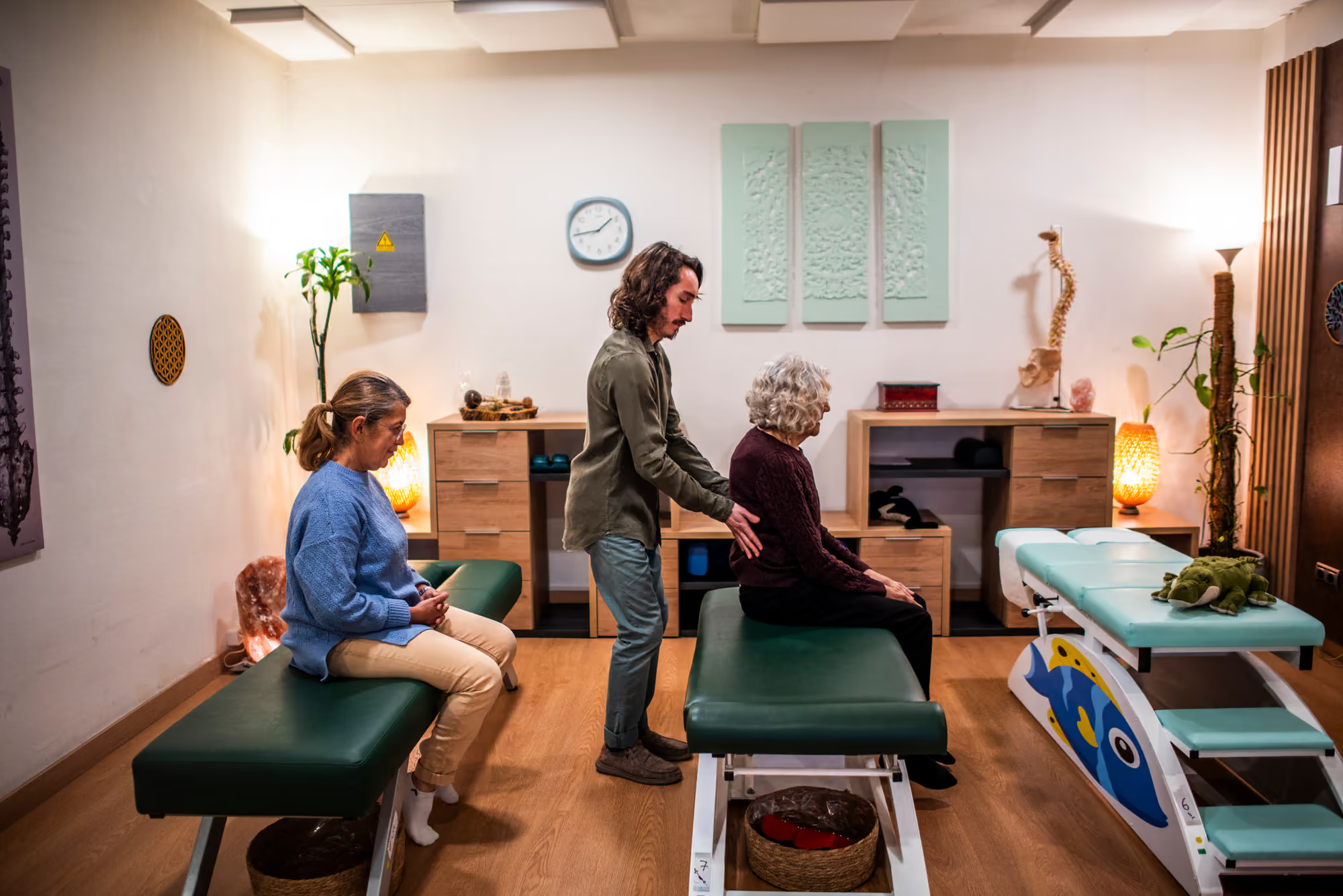
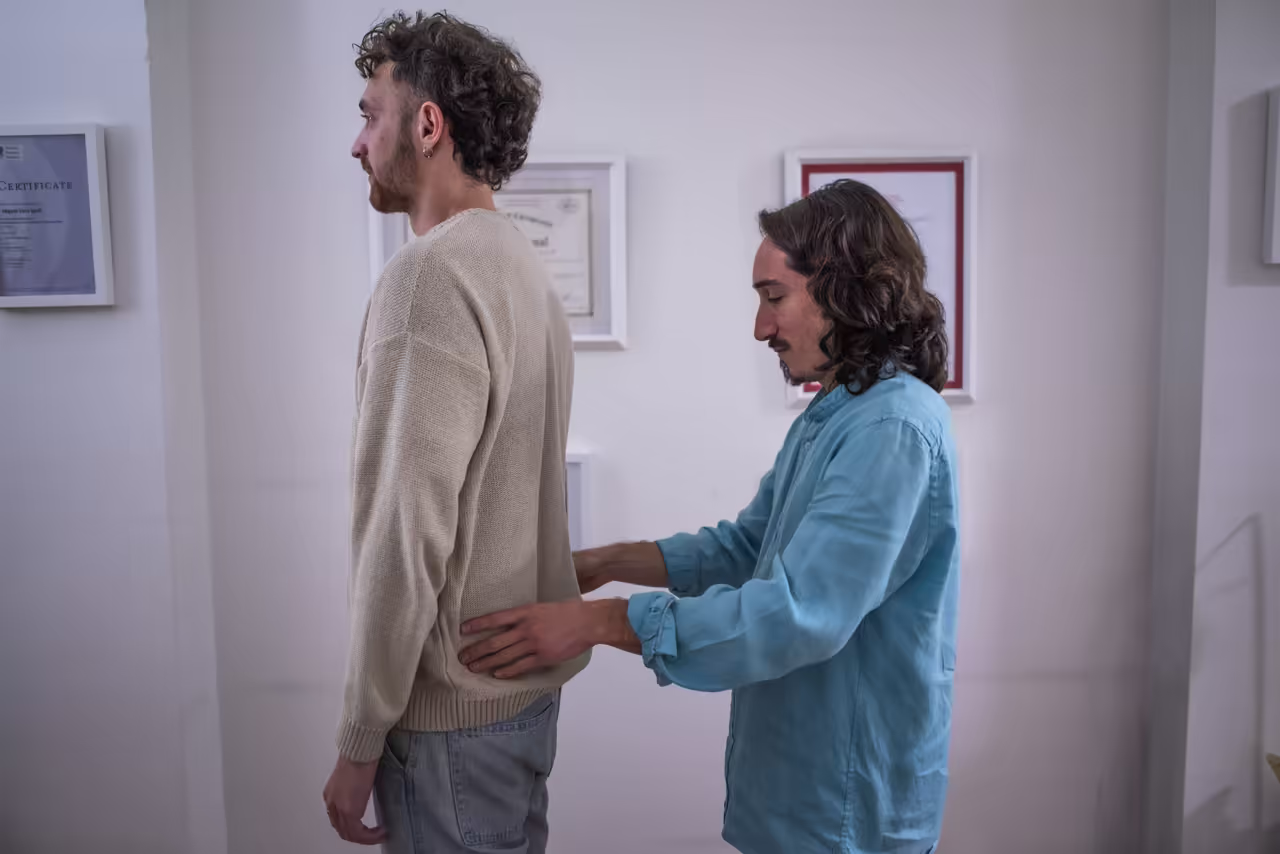
I carry out a full assessment: I look at how you move, your posture, your spine and your nervous system.
-
I adjust
If I see how I can help you, I give you your first adjustment.
The practical side.
- What to bring
- Comfortable clothes you can move in. You keep them on.
- Scans and X-rays
- If you have any, bring them. If not, that's fine: you don't need them to come.
- If you're under your GP's care
- Keep following what you've been told. Nothing I do here replaces it.
- How long it lasts
- 45 minutes
- Price
- 80 €
Step two
The second visit, what I've seen.
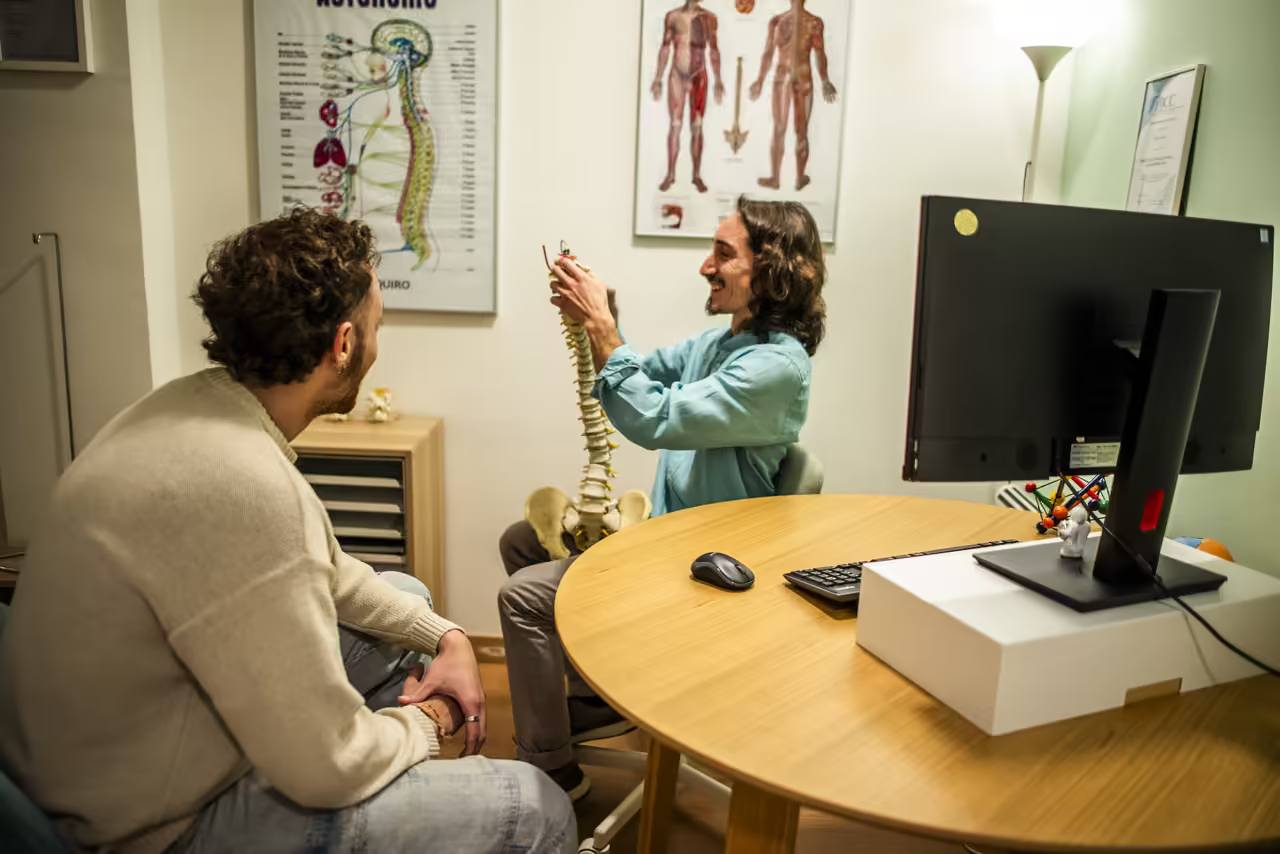
With a model of the spine in front of you, I explain what I've seen, where the blocks are and how I can help you.
I give you a written plan with how many sessions, how often and the price, so there are no surprises. You decide.
Afterwards
The sessions.
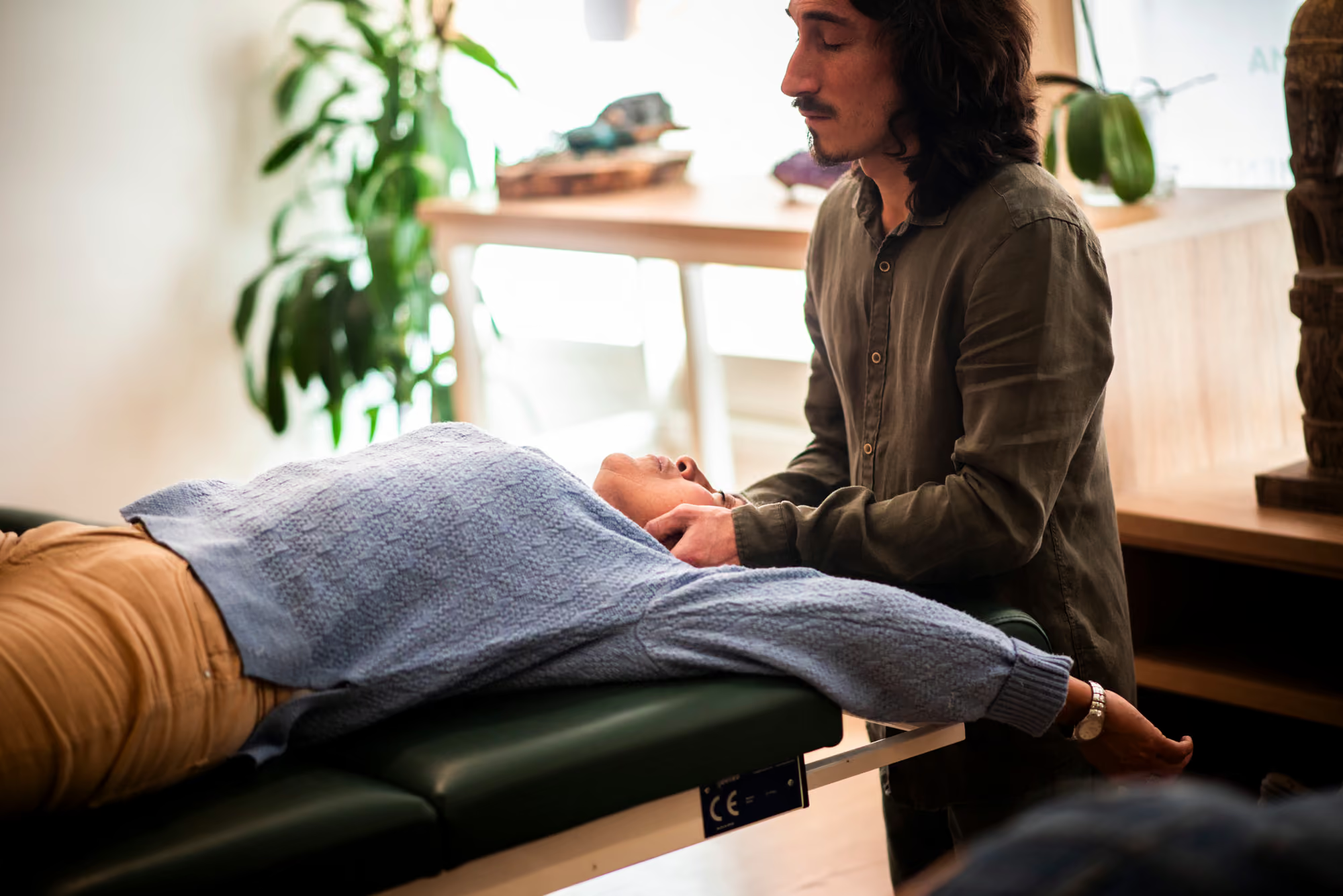
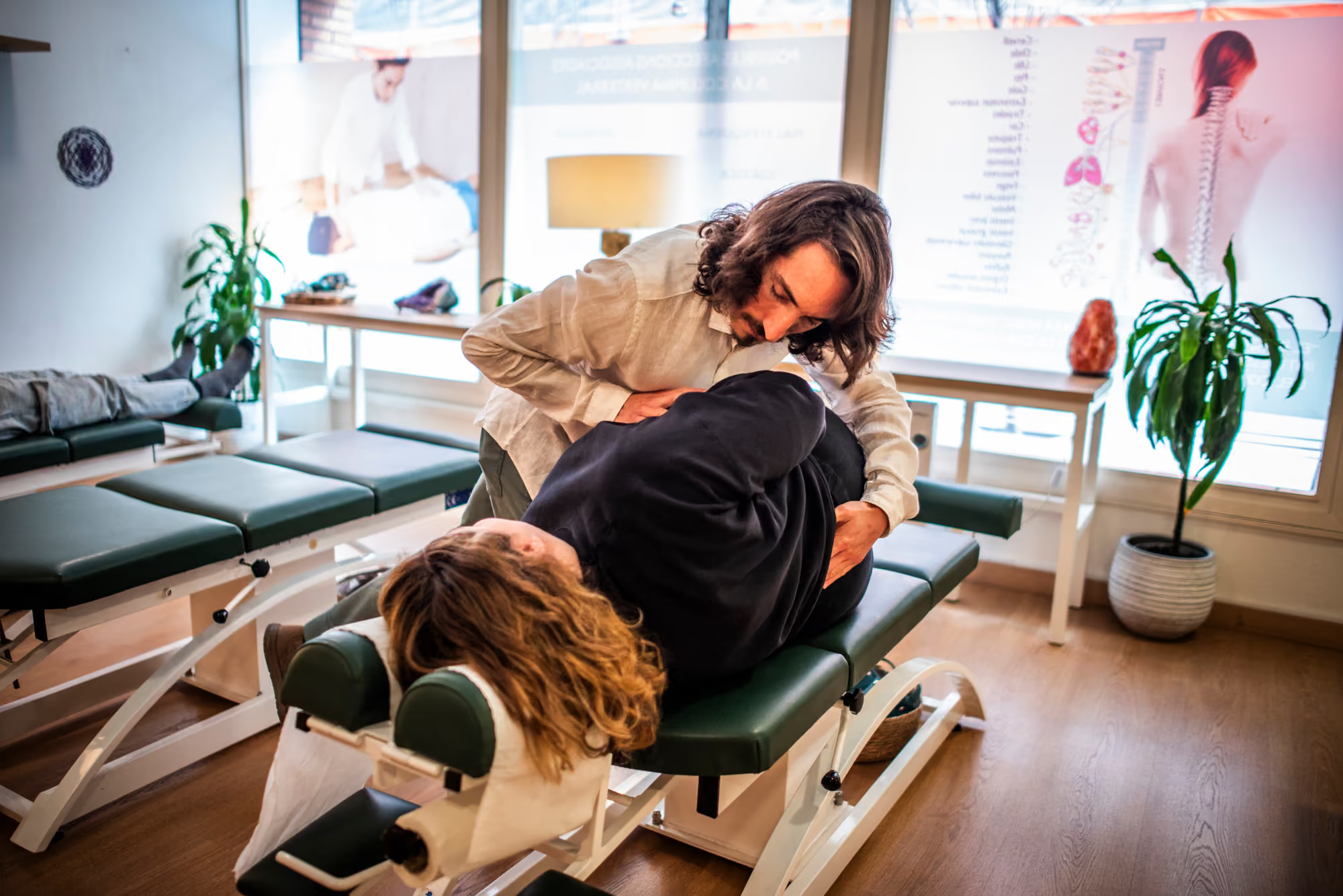
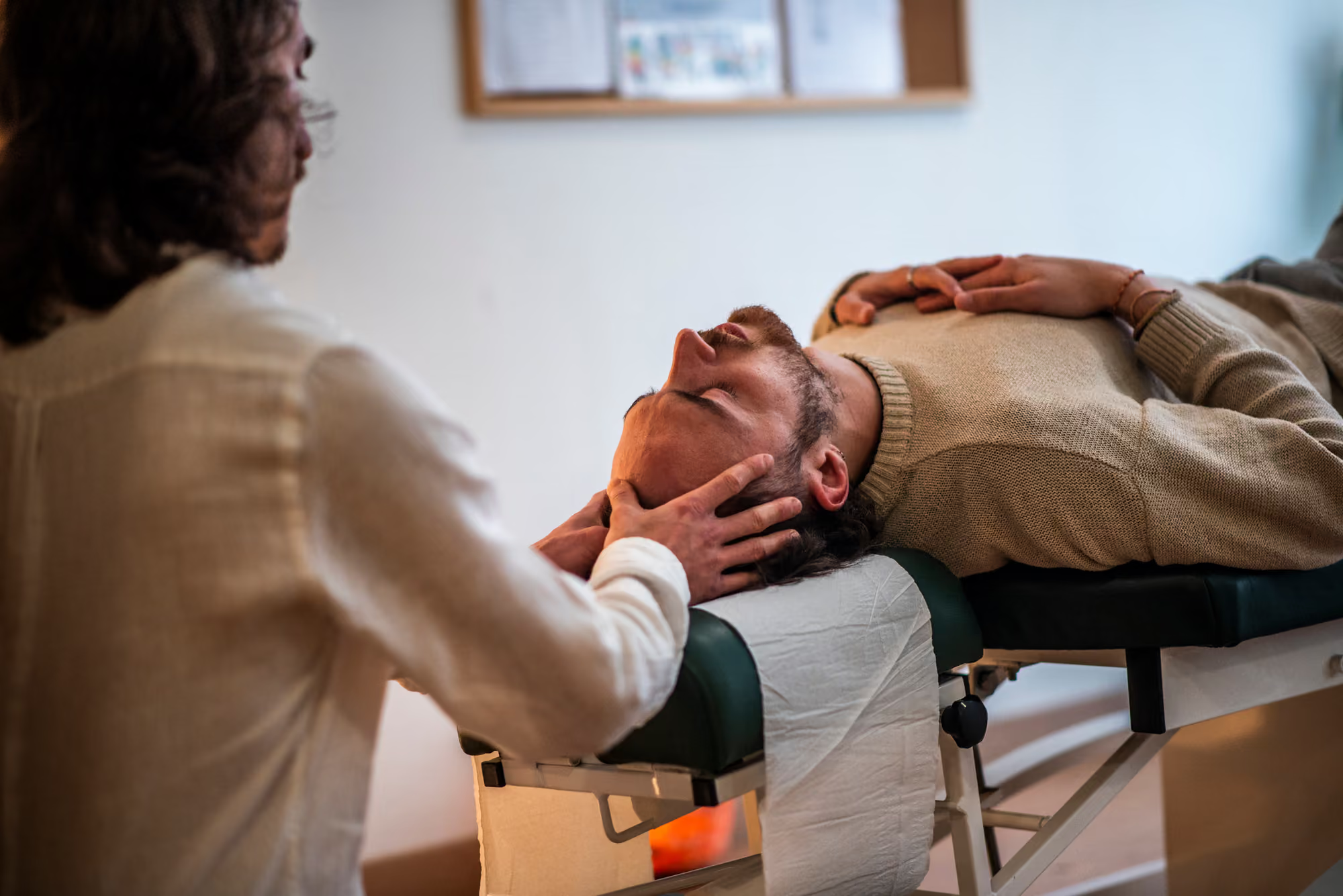
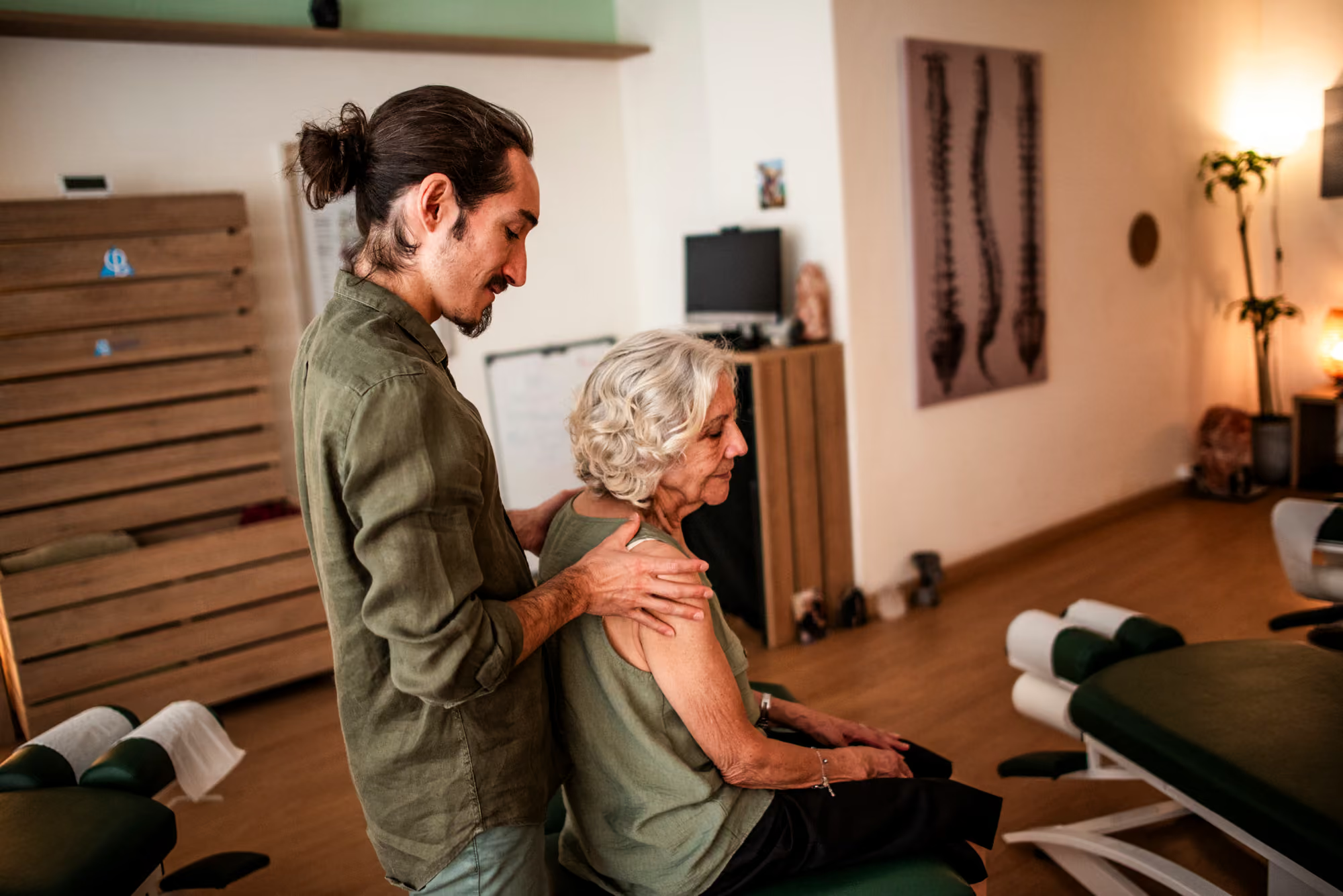
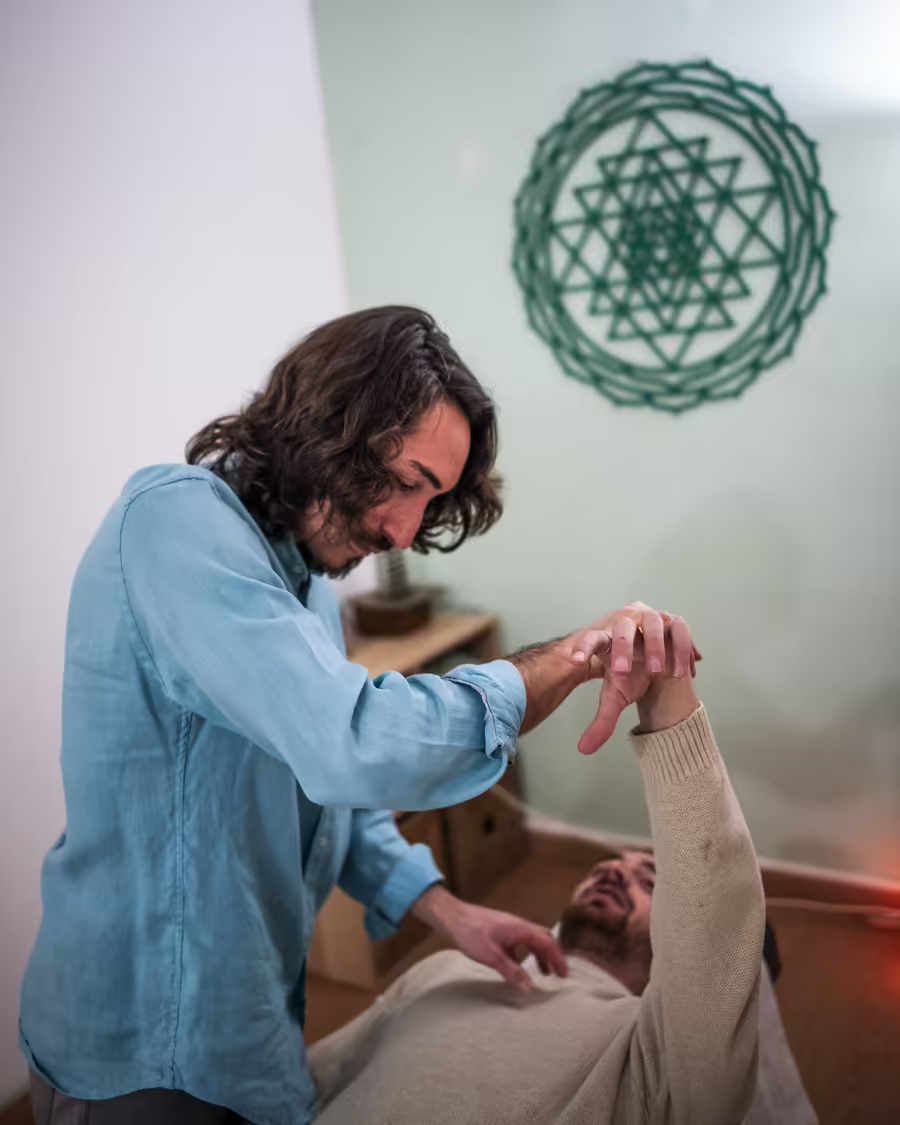
If you decide to carry on, every session has four parts, and that's why it lasts half an hour: there's time to do them without rushing and to tell you what I see.
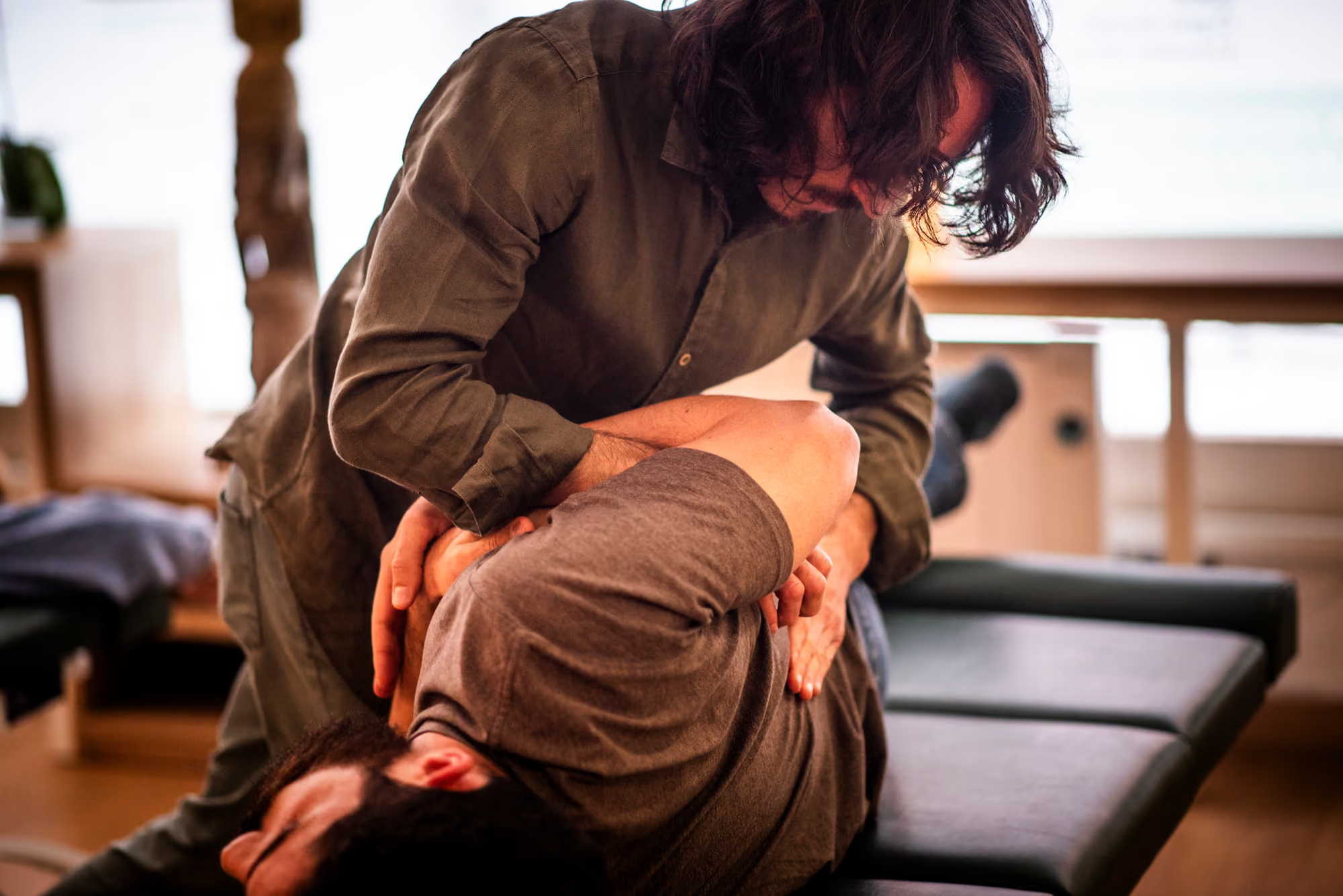
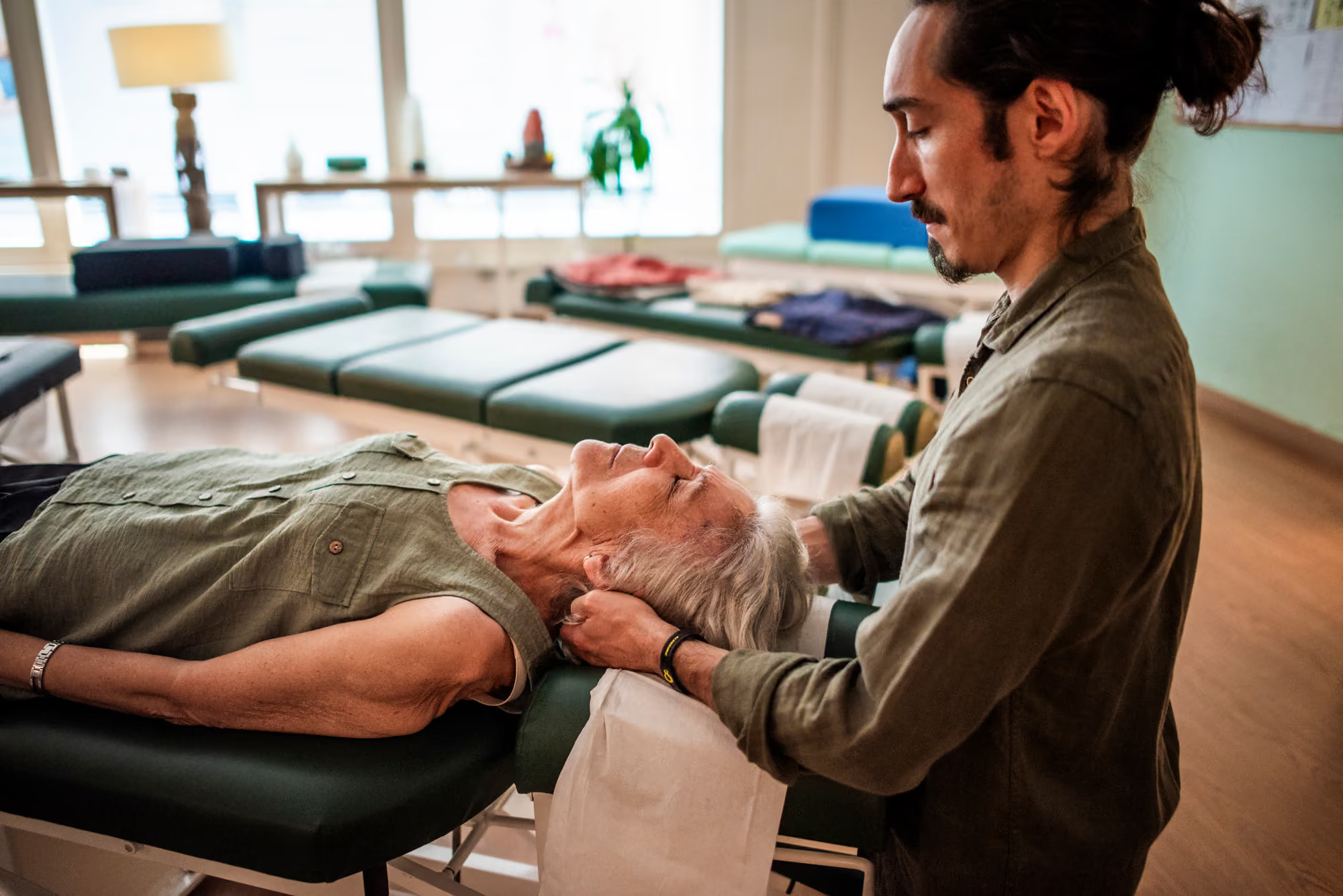
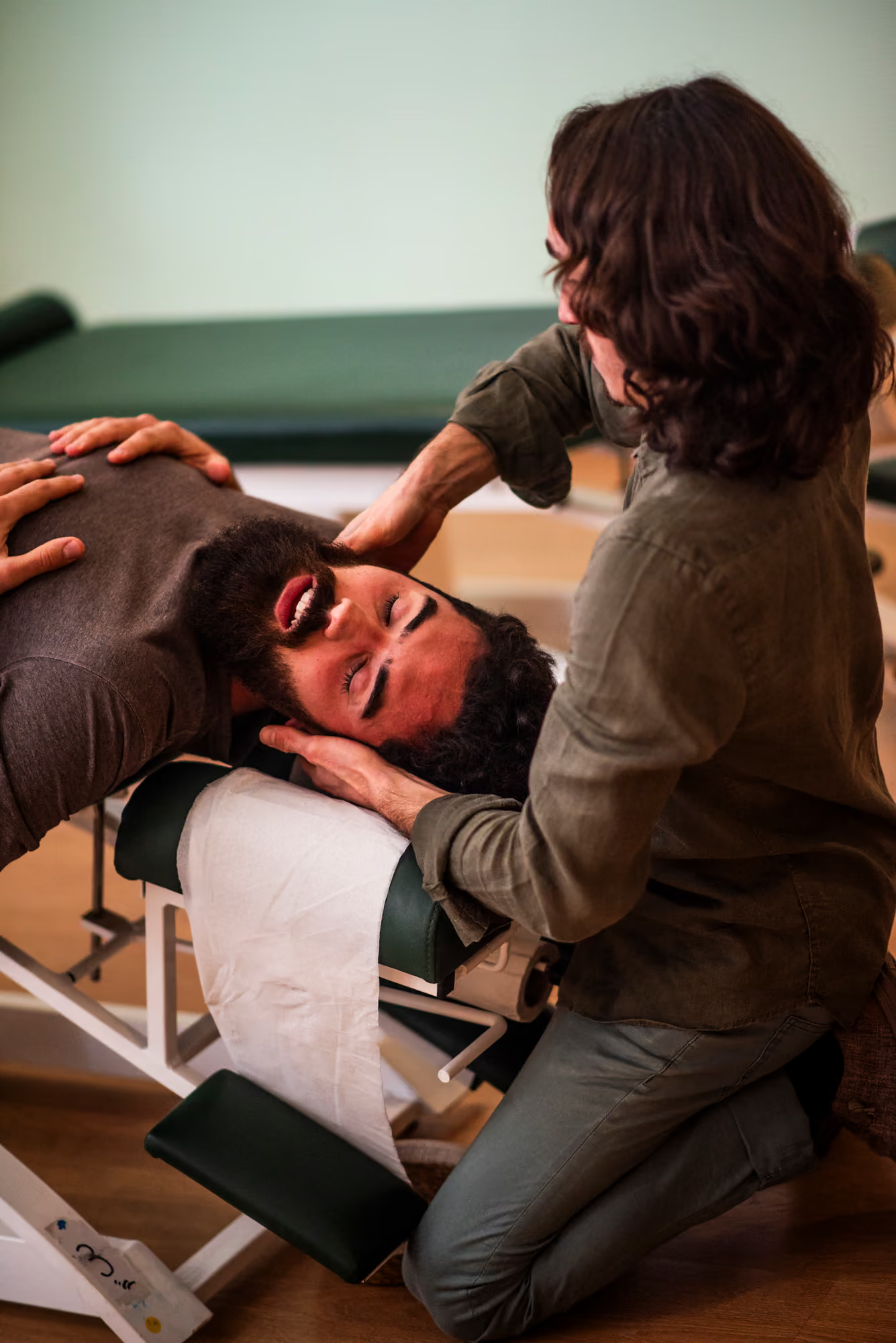
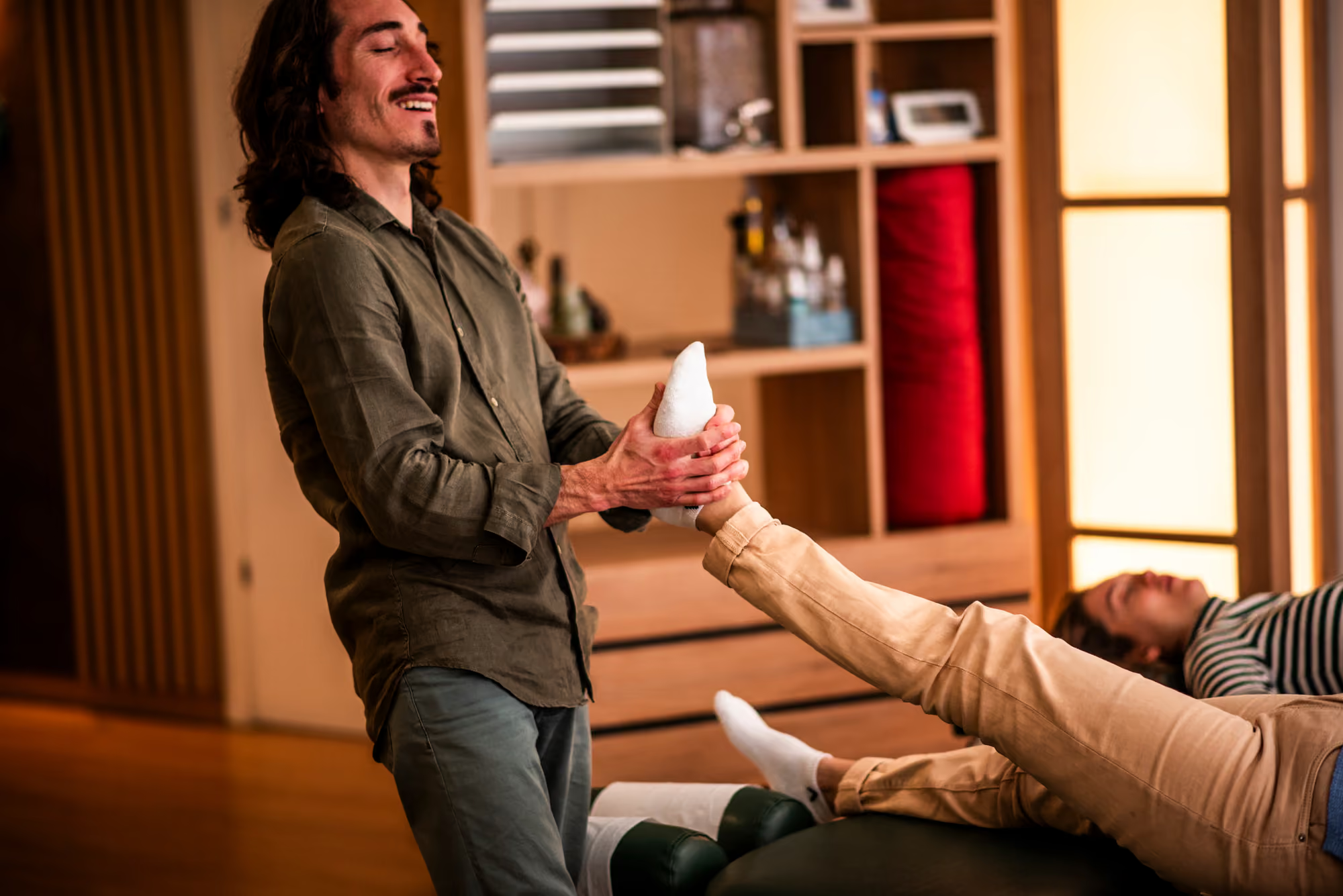
-
1
How you arrive
What's happened since last time, what's changed and what hasn't. A couple of questions, before I touch anything.
-
2
The check
Standing, walking and on the table. I look at the same movement as the time before, so there is something to compare with.
-
3
The adjustment, if it's called for
Specific contacts, generally gentle, on the segments that need it that day. They aren't always the same ones.
-
4
The re-check
I look again at the same movement as before and tell you what's changed and what hasn't. That's where we see whether it makes sense to come back, and when.
Do I have to keep coming for ever?
No. Some people come for something specific and leave it there, and some prefer to drop in every now and then. Both seem reasonable to me, and it's your call.
What people ask me most.
What's that cracking sound?
It's a bit of gas that leaves the joint when it gains movement. It doesn't say whether an adjustment went well or badly, it isn't dangerous and it doesn't hurt.
Could I be sore afterwards?
No, adjustments don't hurt. Afterwards you may feel something like the ache after exercise, mild and short-lived, like the first time you go to the gym or get braces: your body is changing and may send signals.
Do you always adjust?
No. I adjust when it makes sense. Some days what's called for is to check and re-check, and I'll tell you so.
The room
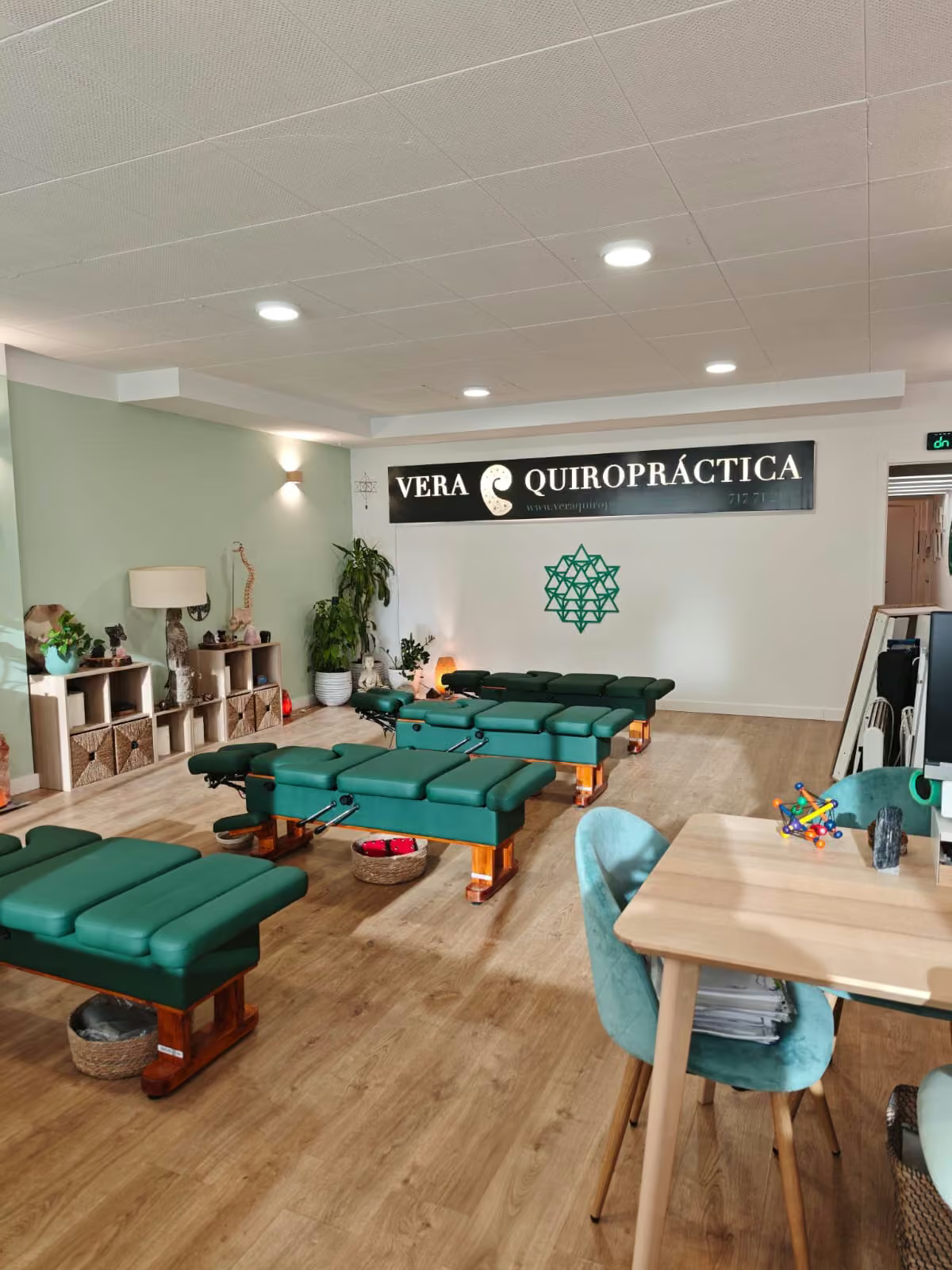
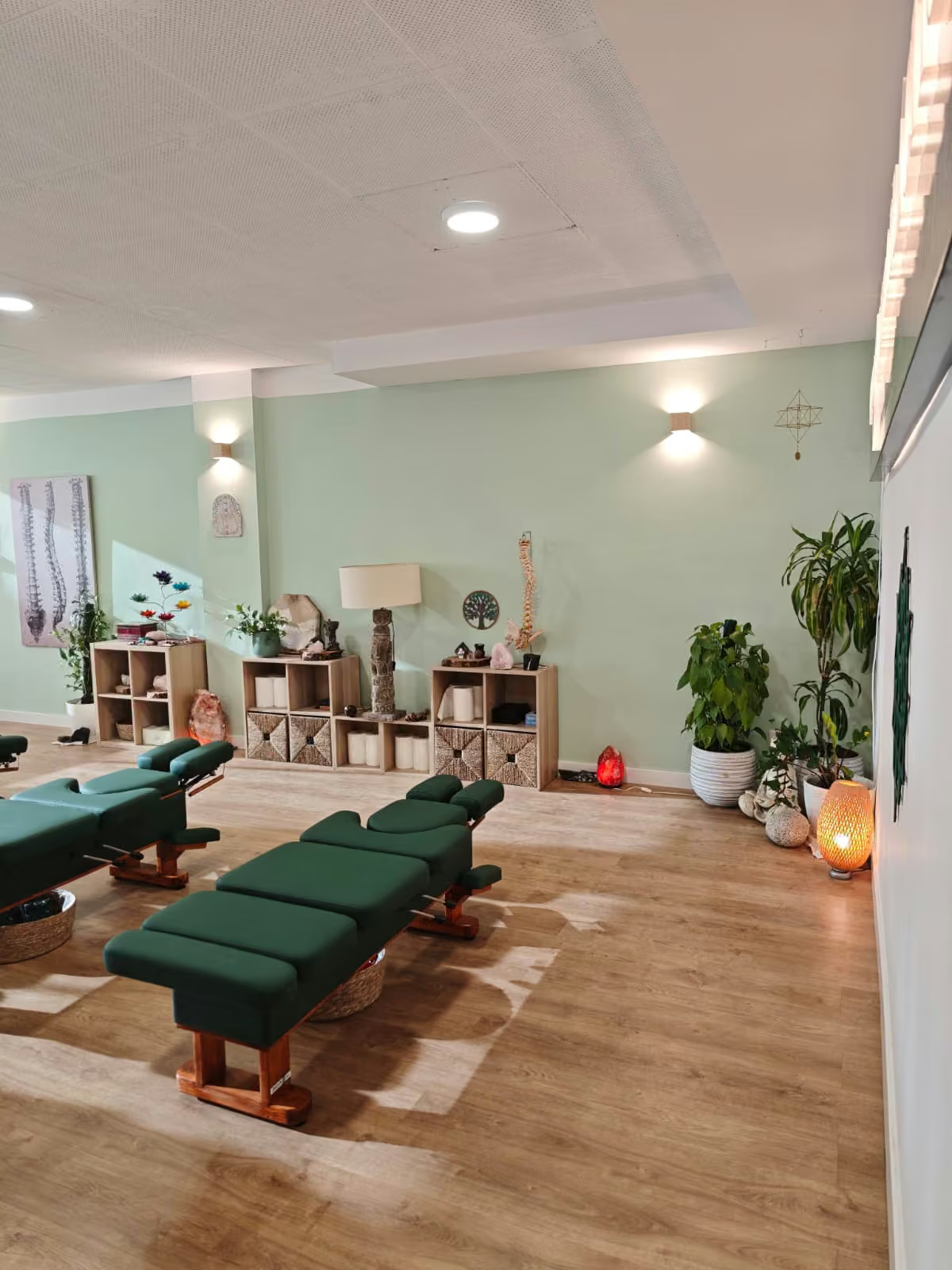
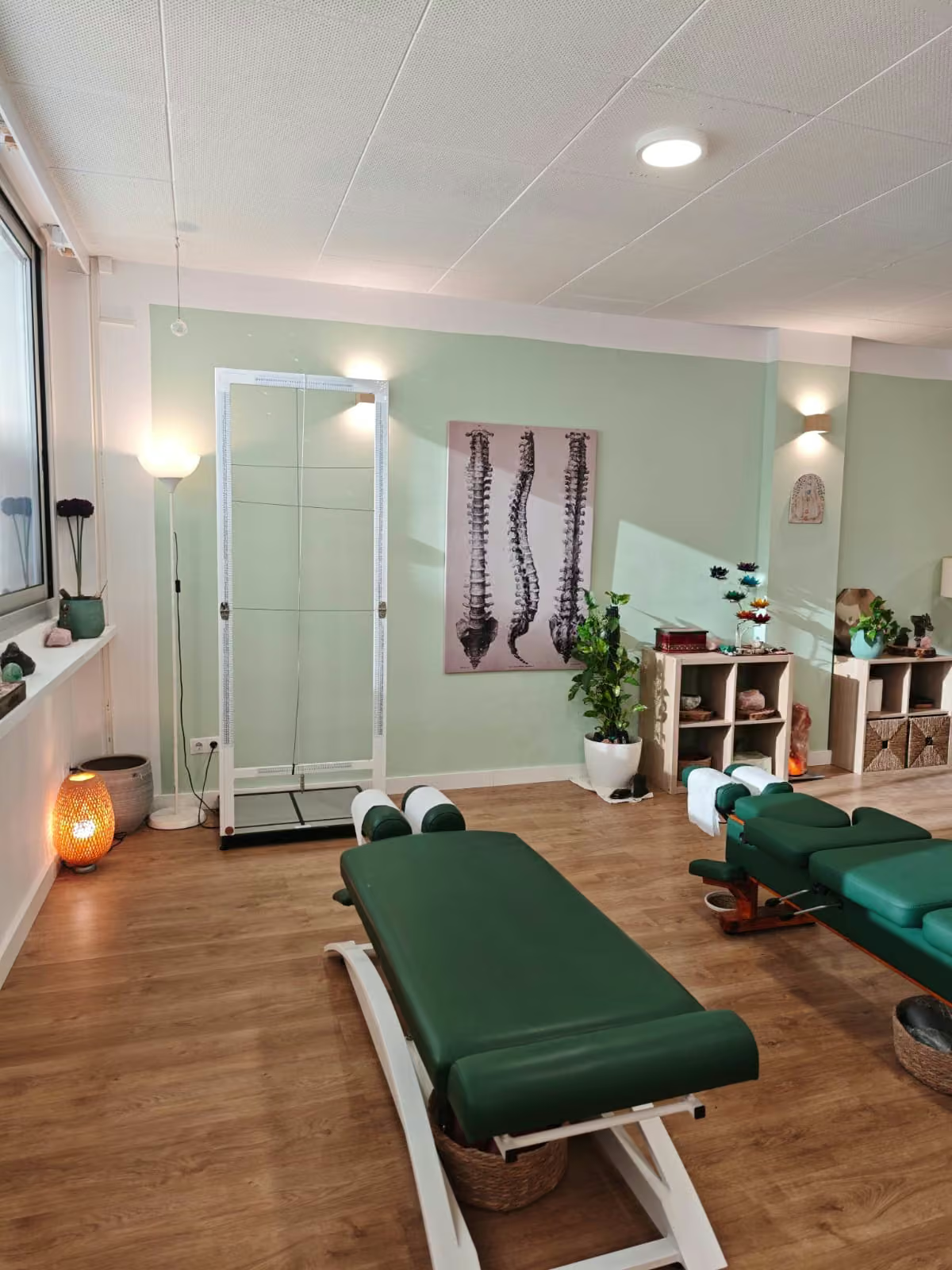
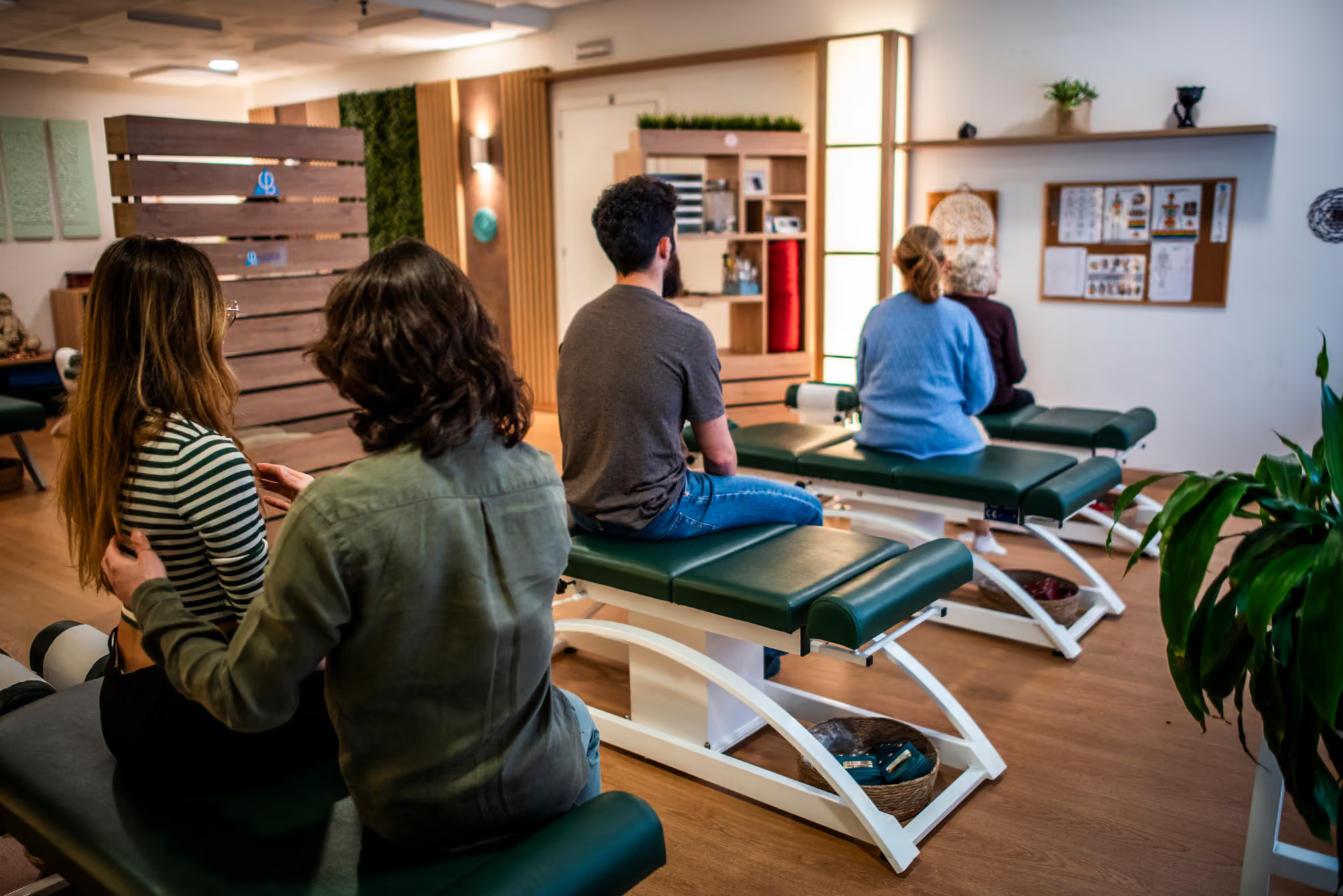
A table, and somewhere to sit and talk.
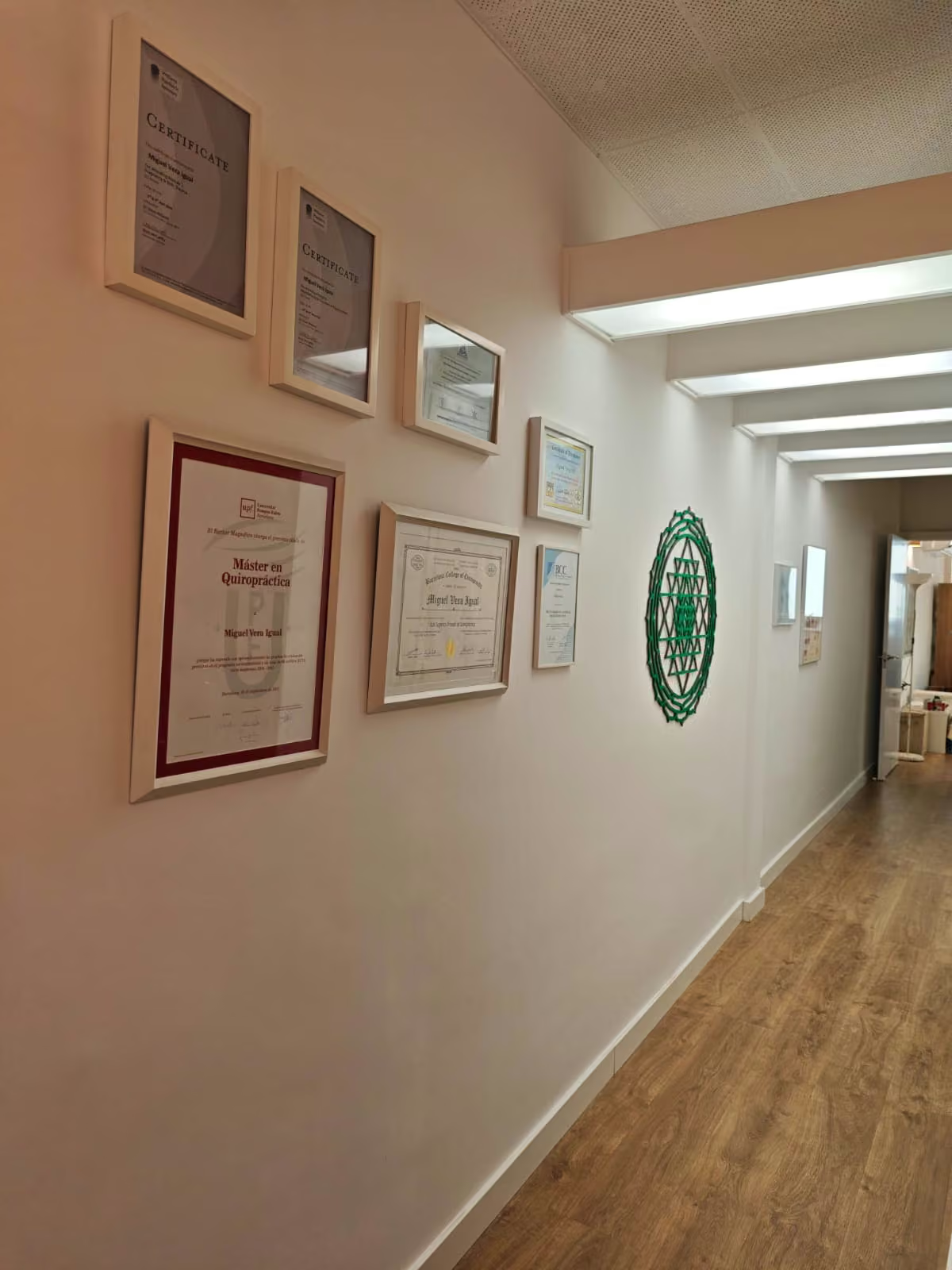
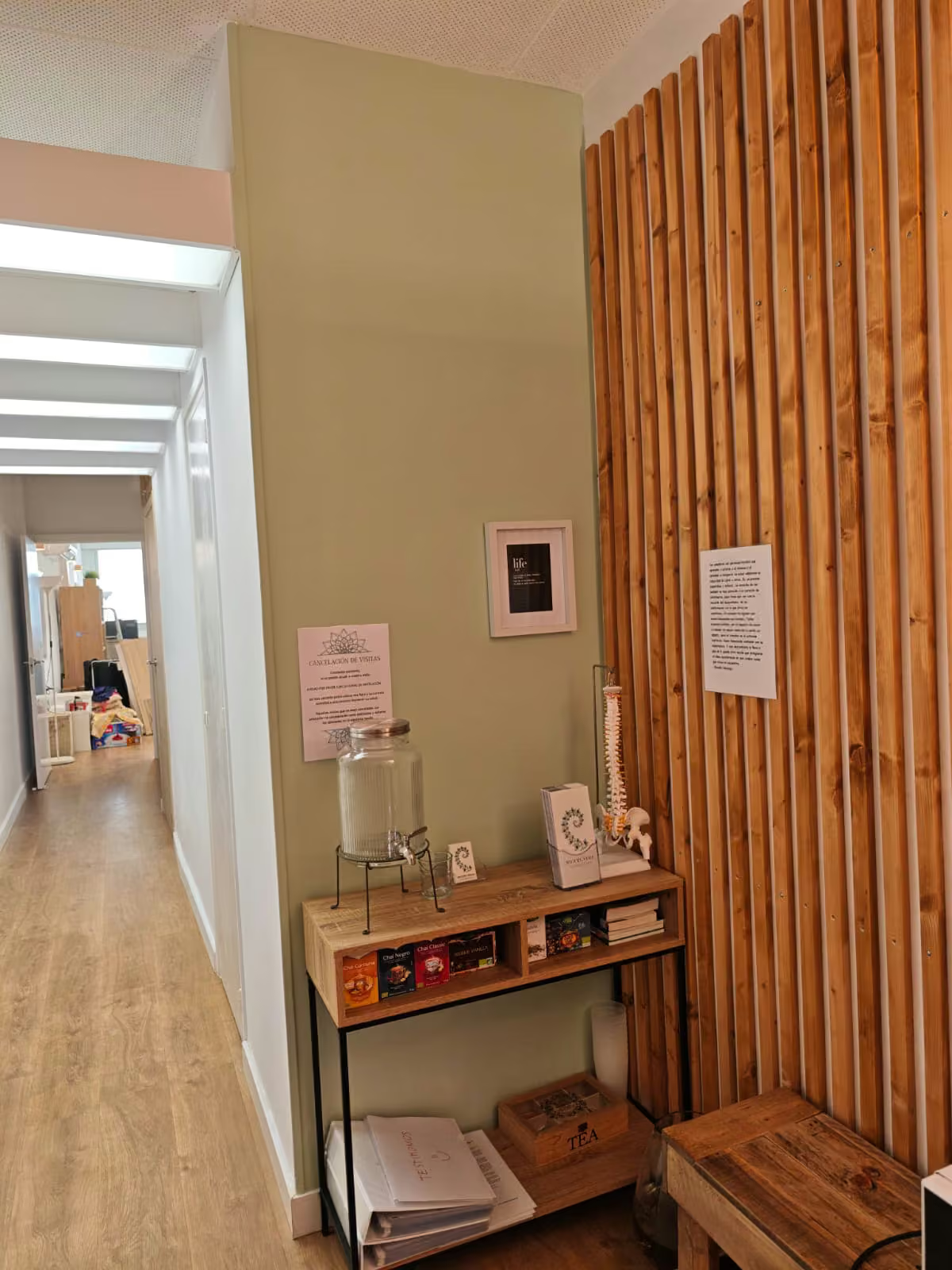
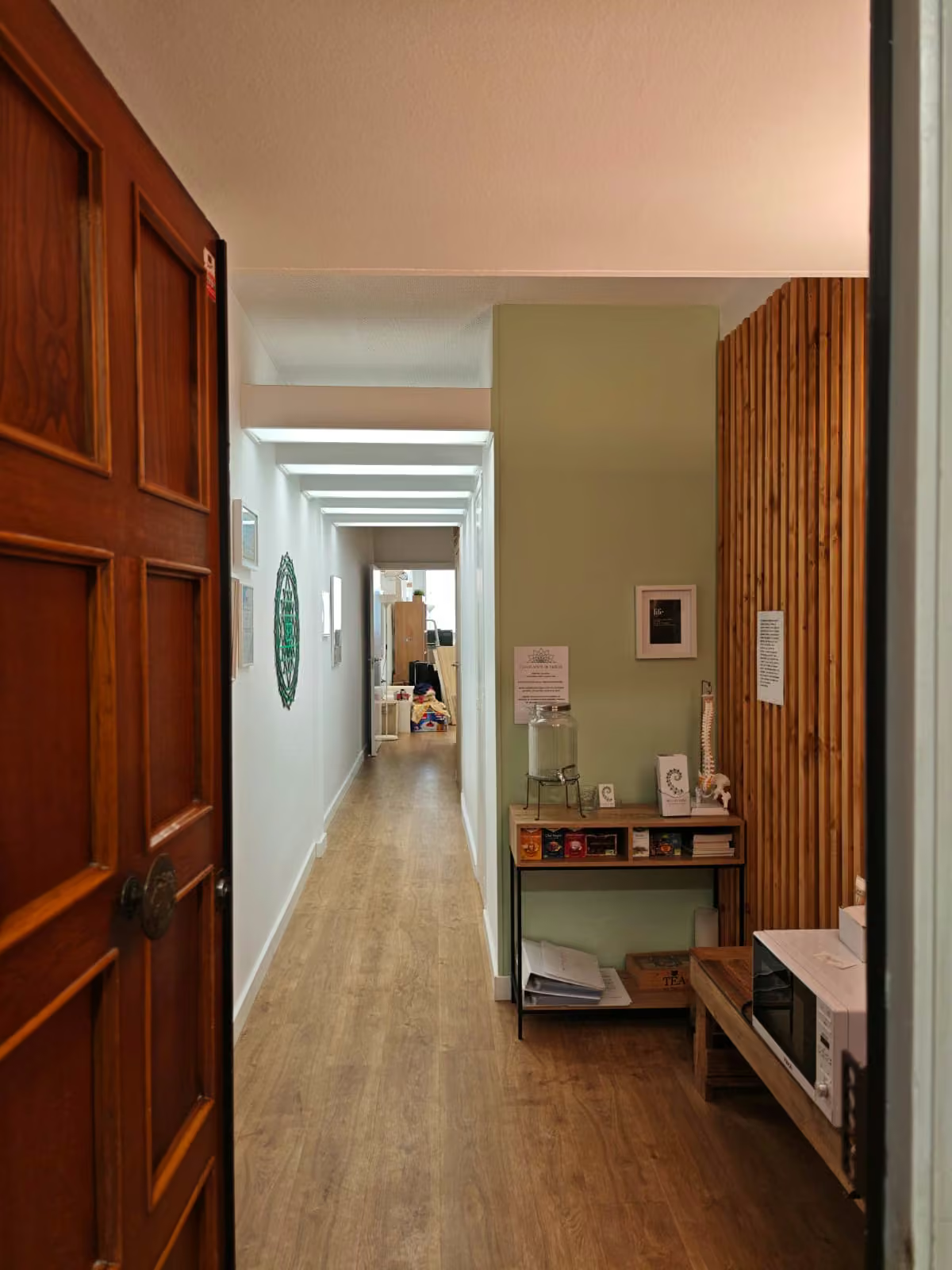
No reception desk with music, no packed waiting room. My qualifications hang on the wall: you're welcome to read them.